Why Build Quality Red Flags Are So Easy to Miss
In-store, you're distracted by packaging and pricing. Online, you're working from photos optimized to flatter. Either way, genuine construction flaws rarely announce themselves - they hide in the details most shoppers don't think to examine until something breaks. Recognizing these signals before a purchase (rather than after) is a learnable skill.
This reference guide walks through the most commonly overlooked indicators of shoddy build quality across product categories, so you know exactly what to look for. For a broader pre-purchase routine, see our pre-purchase sanity check - it pairs well with the specific signals below.
| Most common failure point | Fasteners, seams, and surface coatings (Consumer product return data, general industry pattern) |
| Stitch count benchmark | 8-10+ stitches per inch on load-bearing seams (Textile and apparel quality standards, general trade guidance) |
| Warranty length vs. quality | Longer, broader warranties generally correlate with manufacturer confidence (Consumer advocacy guidance, general principle) |
| Labeling requirement (US) | Country of origin required on most goods sold in the US (US Customs and Border Protection, general rule) |
| Key test for structural parts | Light manual pressure - rigidity should hold without flex (General quality inspection practice) |
Physical Red Flags to Examine Up Close
These are the tactile and visual cues that separate durable construction from items that will disappoint quickly:
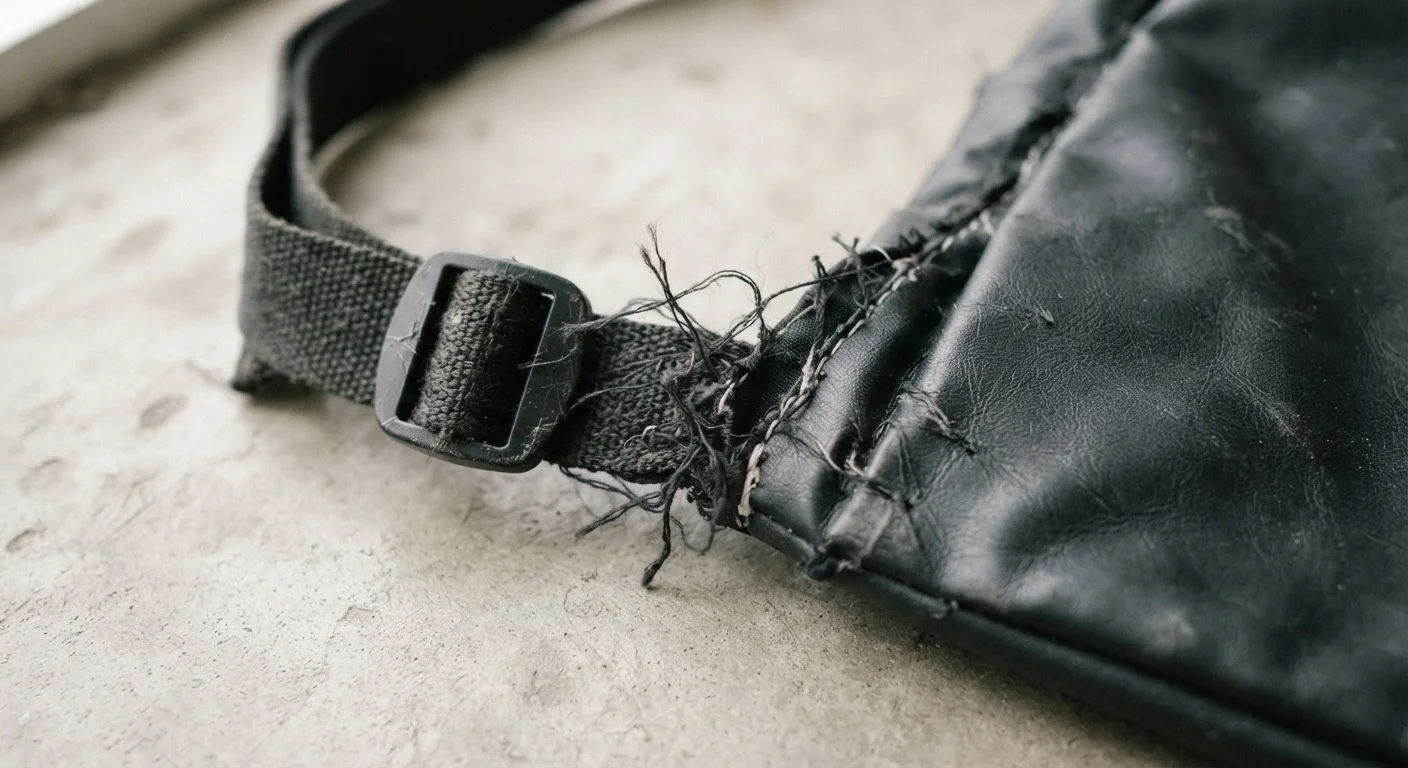
- Uneven seams or misaligned panels. On bags, clothing, upholstery, or cabinetry, seams that don't run straight or panels that don't align at corners indicate rushed assembly or poor tooling. Run your finger along edges - gaps, ridges, or puckering are warning signs.
- Loose or skipped stitching. On fabric goods, count stitches per inch in a visible section. Fewer than 8-10 stitches per inch on load-bearing seams is a common indicator of cost-cutting. Skipped stitches are worse - they create immediate weak points.
- Lightweight hardware that feels hollow. Zippers, hinges, clasps, and screws that feel light and thin are often made from low-grade alloys that corrode or snap under normal use. Compare by weight: quality hardware has noticeable heft.
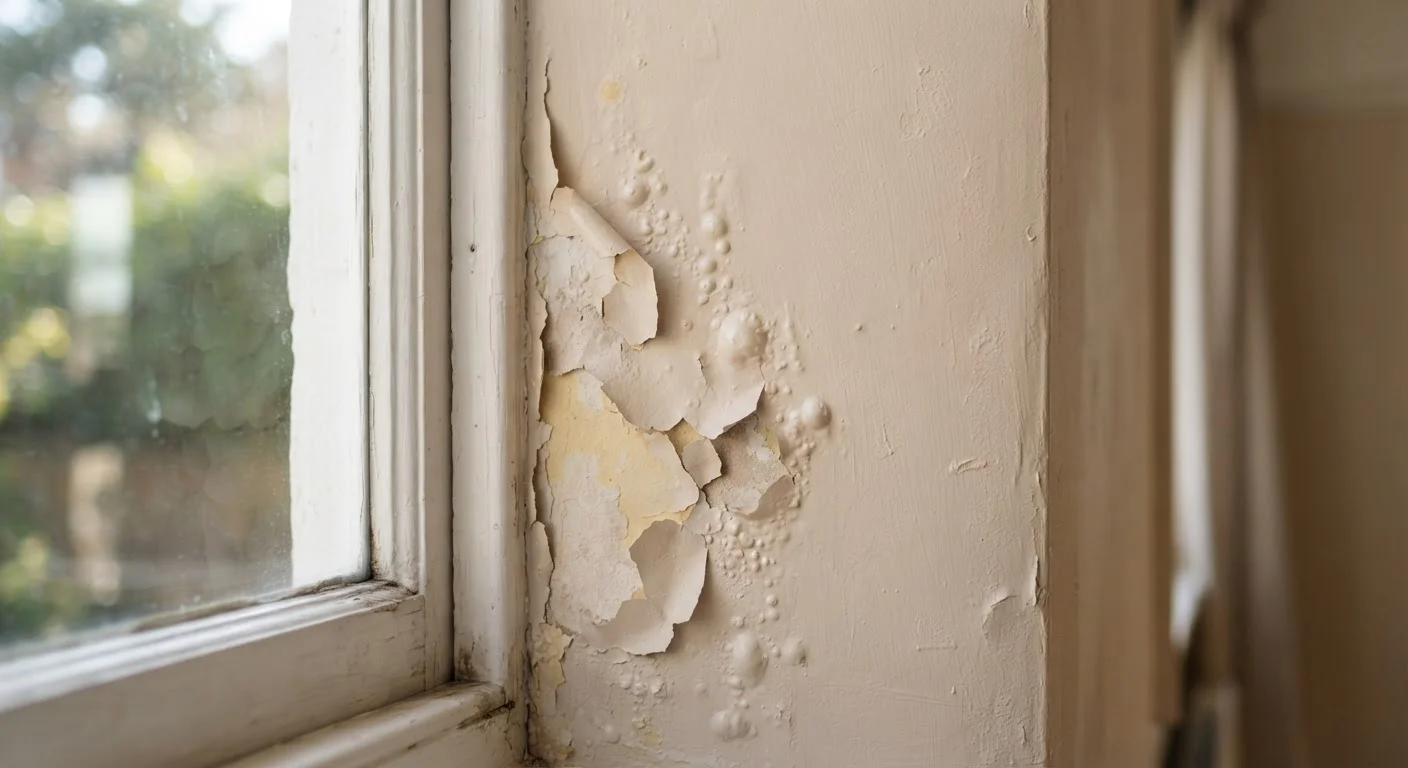
- Thin or uneven coating and finish. Paint, lacquer, or powder coating that looks streaky, bubbles at edges, or feels rough to the touch suggests poor surface preparation. This is a common early failure point - surface prep matters just as much in consumer products as in DIY projects.
- Flex and give where there should be rigidity. Shelving, frames, tool handles, and structural components should resist twisting under light pressure. Noticeable flex before any load is applied is a red flag.
Stitches per inch (SPI)
A standard measurement of how many stitches are sewn within one inch of a seam. Higher SPI generally indicates stronger, more durable construction on fabric goods.
Powder coating
A dry finishing process where electrostatically charged powder is applied to metal surfaces and cured under heat. It produces a harder, more durable finish than conventional paint when done correctly.
Low-grade alloy
A metal mixture that uses cheaper base metals and less precise composition control, resulting in hardware that is more prone to corrosion, bending, or fracturing under stress.
Country-of-origin label
A required declaration on most goods sold in the US identifying where a product was manufactured. It is mandated by US Customs and Border Protection regulations.
Structural flex
Unintended bending or twisting in a component that is designed to be rigid. Noticeable flex under light, hand-applied pressure before any real load is a common indicator of thin or low-quality materials.
Labeling and Documentation Warning Signs
What a product doesn't tell you is often as revealing as what it does. Watch for these omissions:
- Vague or missing material composition. Reputable manufacturers state exact materials - "420D nylon," "18-gauge steel," "solid beech wood." Labels that say only "premium material" or "high quality" without specifics are substituting marketing language for information.
- No country of manufacture listed. US law requires country-of-origin labeling on most goods. Its absence can indicate non-compliance or mislabeling more broadly.
- Warranty terms that exclude wear or structural failure. A warranty that covers only cosmetic defects, or limits claims to 30 days, signals that the manufacturer doesn't expect the product to hold up. Compare warranty scope, not just length.
- No certifiable safety or testing marks. For electronics, power tools, and children's items especially, look for marks from recognized testing bodies. Their absence doesn't automatically mean a product is unsafe, but it removes an important layer of independent verification.
Spotting labeling gaps pairs naturally with checking seller credibility - our guide on reading seller signals covers that angle. And if online reviews seem too positive, fake review red flags are worth checking too.
Online Shopping Makes Physical Inspection Harder
When buying online, you can't flex a shelf or feel a zipper before purchasing. Look for detailed reviewer photos (not just brand images), ask sellers direct material questions, and check whether the return policy covers "not as described" claims. These steps partially substitute for in-person inspection. Our article on online marketplace red flags covers additional signals to watch for when shopping remotely.