
What's Actually Behind an Unusually Low Price
Every market has a rough price floor - the point below which producing and selling something simply doesn't make economic sense. When a price drops well beneath that floor, something has to give. The product may be counterfeit, substandard, or dangerously under-spec'd. The seller may recoup money through hidden charges added later. Or the "deal" may be a vehicle for something else entirely, like capturing payment credentials.
This isn't speculation - it reflects how supply chains actually work. Materials, labor, shipping, and overhead all carry costs. A legitimate seller who prices dramatically below competitors is either absorbing a loss (rare and usually explained) or cutting corners somewhere that isn't visible to the buyer at the moment of purchase.
Clearance and Open-Box Are Different
Not every low price is suspicious. Clearance items, open-box returns, and end-of-season markdowns are legitimate mechanisms for below-retail pricing. The distinguishing factor is transparency - a credible seller will tell you why the price is reduced. An unexplained, permanent low price from an obscure source is a different situation and warrants more scrutiny.
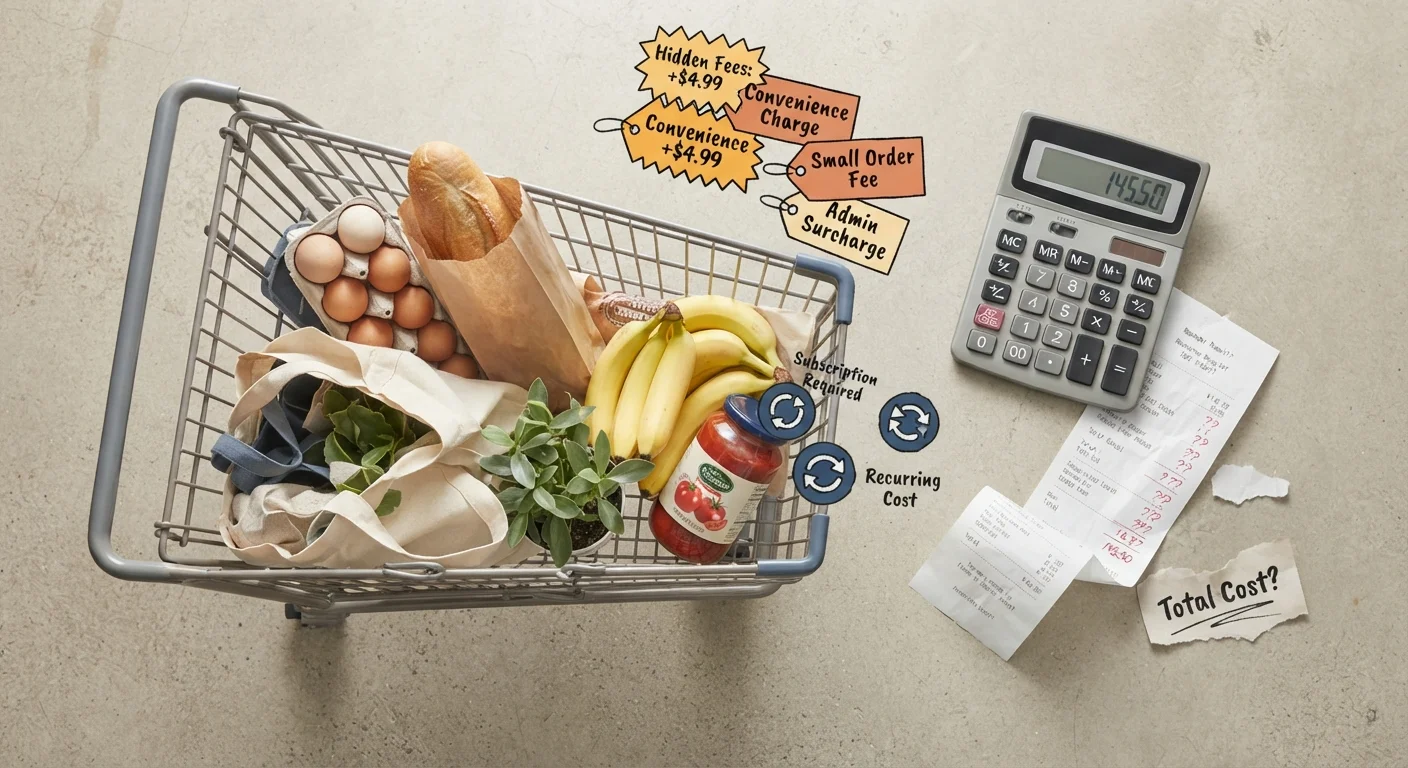
Understanding how hidden costs inflate the true price of a purchase can help you evaluate whether a low sticker price is actually saving you anything at all.
The Most Common Tactics That Create False Bargains
Deceptive pricing rarely announces itself. Instead, it arrives dressed as opportunity. Here are the patterns that appear most often:
- Counterfeit or imitation goods: Items that look like a well-known category but use inferior materials, skip safety certifications, or fail quickly. The price is low because the actual product costs very little to produce - and delivers accordingly.
- Bait-and-switch: A compelling low price draws you in, then you're told that item is unavailable and pushed toward a pricier option. This tactic is used both online and in physical retail.
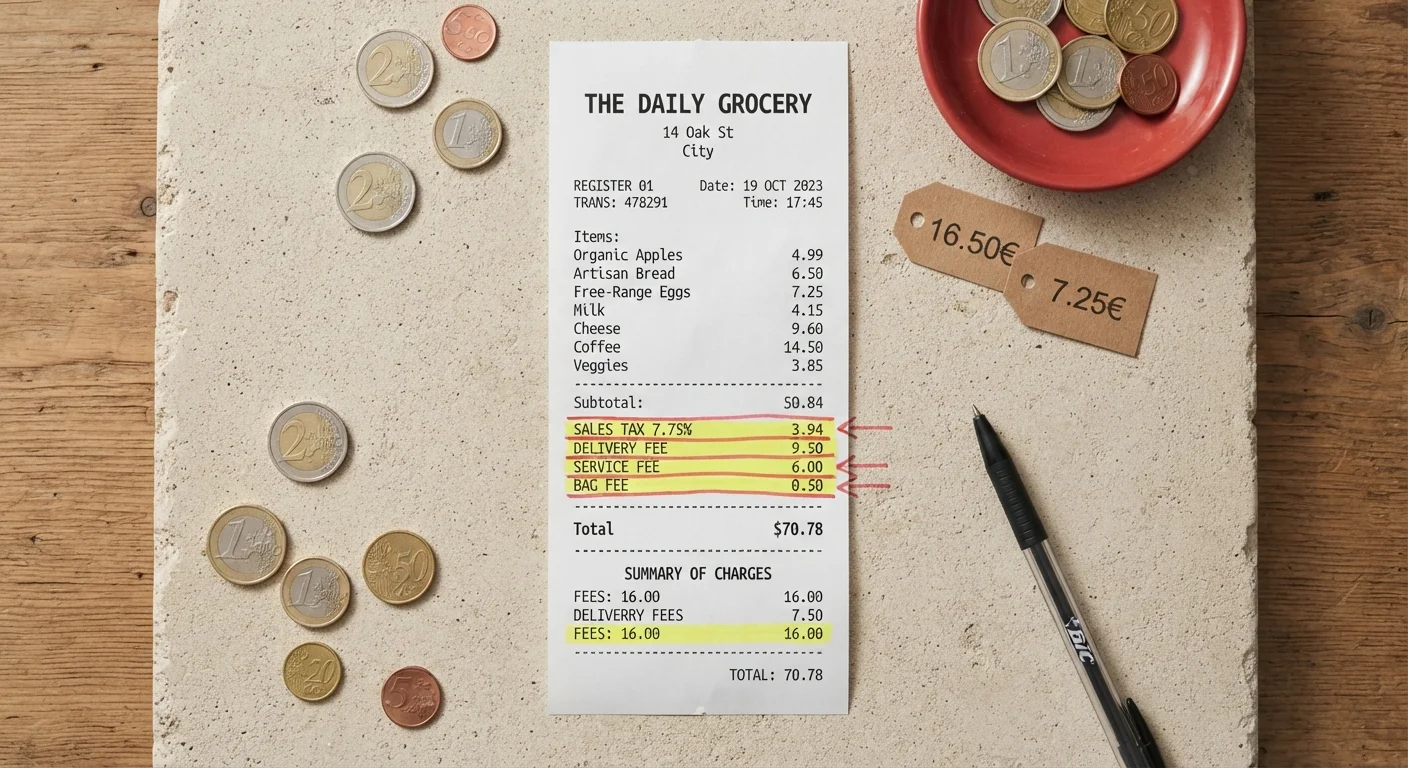
- Fee stacking: A low headline price balloons once shipping, handling, "processing," or membership fees are added at checkout. Costs that don't appear in the sticker price are a frequent mechanism for this.
- Subscription anchoring: An unusually low one-time price is actually an entry point into a recurring charge the buyer didn't clearly authorize.
- Manufactured urgency plus fake social proof: A suspiciously cheap listing is often accompanied by inflated review counts or scores. Knowing how to distinguish fake reviews from genuine ones is a practical companion skill here.
~$100B
Annual global value of counterfeit goods sold online
The Organization for Economic Cooperation and Development (OECD) has estimated counterfeit and pirated goods represent hundreds of billions of dollars in global trade annually, with online marketplaces as a major distribution channel.
1 in 3
Online shoppers who report receiving a product significantly worse than described
Consumer advocacy surveys in the U.S. consistently find a substantial share of online buyers have experienced a significant mismatch between a product's listing and what was delivered.
40%+
Price gap that should prompt serious scrutiny
Consumer researchers generally suggest that when a price sits 40 percent or more below the established market range with no stated reason, it is a reliable signal to pause and investigate further.
Why Our Instincts Don't Protect Us Here
The appeal of a low price isn't irrational - it's deeply human. Saving money is a real goal for most households, and the feeling of getting more for less triggers a genuine psychological reward. Sellers who exploit this aren't working against buyer logic; they're working with it.
Price comparisons are also cognitively easy. It takes seconds to see that one number is smaller than another. Evaluating whether a product is actually equivalent, whether the seller is trustworthy, or whether the total landed cost is competitive - that takes more effort. Most consumers, especially under time pressure, default to the easy signal.
“The price of a thing is not the cost of a thing. What you pay upfront is only one variable in a much larger equation that includes durability, support, and what happens when something goes wrong.”
— Consumer Research Advisory Collective, Consumer education and market research organization
This is part of why comparing options on price alone tends to backfire. A realistic price range, developed by checking several sellers before committing, is a more reliable anchor than any single number.
How to Calibrate Your Price Radar
The single most useful habit is establishing a credible price range before you start actively shopping. Check at least three to five independent sources for the item or category you're considering. Note where prices cluster - that cluster represents the realistic market. Any offer sitting 40 percent or more below that cluster deserves a clear explanation.
Ask these questions before proceeding with an unusually low-priced offer:
- Can I verify this seller has a real return policy and contact information?
- Is the low price explained by a stated reason (clearance, open-box, seasonal sale)?
- What do independent sources say about the seller - not reviews on their own platform?
- Are there additional fees, subscriptions, or conditions buried in the fine print?
- Does this product carry appropriate certifications for its category (especially relevant for electronics, safety gear, or children's items)?
Build a Price Baseline Before You Shop
Before committing to any purchase, spend a few minutes establishing what the item typically costs across multiple credible sellers. This baseline gives you a real anchor for evaluating any "deal" you encounter. A price that looks impressive in isolation often looks much less so once you know the market range.
The broader goal of saving money is best served by understanding total value over time - durability, warranty support, and reliability - rather than the lowest possible entry price.