
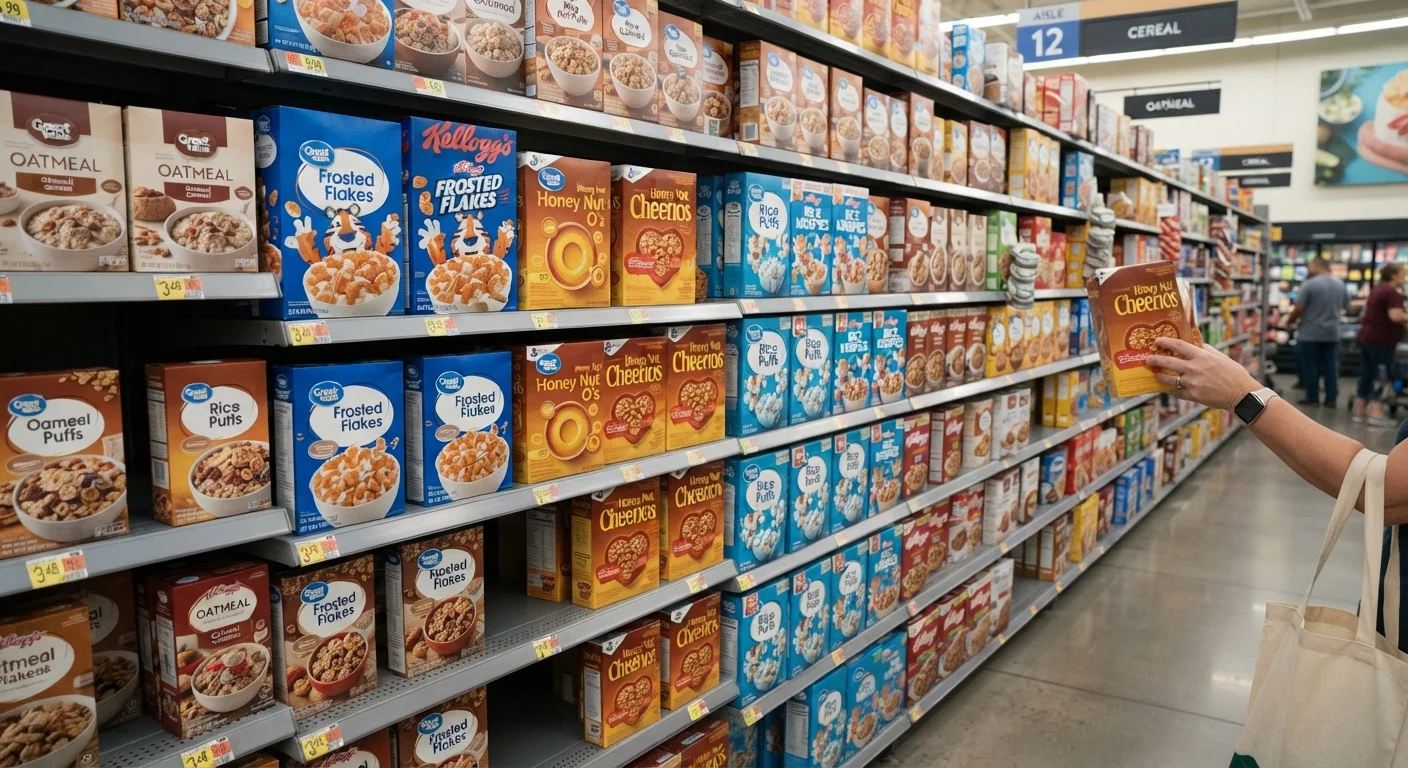
Why the Generic vs. Brand Question Doesn't Have One Answer
The assumption that named brands are always superior - or that generics are always the smarter buy - misses the real story. What determines equivalence isn't the label; it's the category's underlying standards, ingredient regulations, and manufacturing requirements.
Understanding this distinction is at the core of comparing products intelligently. When two products share identical active ingredients, manufacturing oversight, or commodity inputs, the brand premium is paying for marketing, not performance. But when formulation, proprietary processes, or sensory qualities drive the product's value, the comparison gets more nuanced.
This guide breaks that down category by category so you can make a call based on evidence rather than habit.
Categories Where Generics Are Reliably Comparable
Over-the-counter medications are the clearest case for generics. The FDA requires that generic OTC drugs contain the same active ingredient at the same dosage and meet the same safety standards as their branded equivalents. When you see ibuprofen on the label of both a store-brand and a name-brand bottle, you're looking at the same active compound - the price difference reflects packaging and advertising spend.
Pantry staples - flour, sugar, rice, dried beans, oats, and similar commodity ingredients - are another strong category for store brands. These products have little room for meaningful differentiation; a cup of all-purpose flour performs the same role regardless of whose name is on the bag.
Cleaning and household products frequently use the same chemical compounds (bleach concentration, surfactant type) as named brands, and many store-brand versions are manufactured by the same contract suppliers. Checking the active ingredient list is a practical way to verify this before buying.
| Category | Generic Typically Comparable? | Key Factor | |
|---|---|---|---|
| OTC Medications | OTC Medications | Yes - reliably | FDA active-ingredient equivalence required |
| Pantry Staples | Pantry Staples | Yes - reliably | Commodity inputs, minimal differentiation |
| Cleaning Products | Cleaning Products | Usually - verify actives | Same chemical compounds, often same manufacturer |
| Personal Care | Personal Care | Varies - test first | Formulation, fragrance, texture not regulated for equivalence |
| Specialty Foods | Specialty Foods | Often not | Sourcing, flavor, and process drive the difference |
| Infant Formula | Infant Formula | Meets FDA minimums | Consult a pediatrician before switching |
Categories That Reward a Closer Look
Personal care products - shampoos, lotions, and skincare - involve formulation variables that go beyond a simple active-ingredient comparison. Fragrance, texture, preservative systems, and ingredient concentrations aren't regulated for equivalence the way OTC drugs are. This doesn't mean generics are inferior, but it does mean you should test rather than assume.
Specialty and artisan foods involve craftsmanship, sourcing, and flavor profiles that commodity production doesn't replicate. If a named brand uses a specific variety of olive or a distinct aging process, a generic approximation may taste noticeably different. Whether that difference justifies the price is a personal judgment.
Infant formula deserves particular care. Store-brand formulas sold in the U.S. must meet FDA nutritional requirements - that's a meaningful assurance. However, formulation details (types of proteins, prebiotics added) can vary between products. Consulting a pediatric healthcare provider is advisable before switching formula brands for an infant, particularly newborns or those with feeding sensitivities.
Don't Apply Medication Logic to All Categories
The FDA equivalence standard for generic OTC drugs is a specific regulatory requirement - it doesn't extend to food, personal care, or cleaning products. Assuming that all generics are automatically equivalent because drug generics are can lead to disappointing results in categories with less regulatory oversight. Treat each category on its own terms.
For a broader framework on evaluating these trade-offs, comparing on price alone tends to backfire - context and category always matter.
A Practical Approach for Any Category
Rather than memorizing a fixed list, shoppers benefit from a repeatable evaluation habit. The beginner's framework for comparing options applies here: look at active or key ingredients first, check for relevant certifications, and consider whether regulatory oversight sets a floor for equivalence.
A few practical steps:
- Read labels side by side: For medications, match active ingredients and dosages exactly. For foods, compare ingredient lists and nutrition facts panels.
- Check for certifications: Labels like USDA Organic apply equally to store brands and named brands when displayed - they're not a brand-exclusive signal. Understanding what certifications actually guarantee is covered in our guide on what certified and approved labels really mean.
- Factor in your personal stakes: A cleaning product that underperforms costs you a second cleaning session. A medication that doesn't match specifications is a more serious concern - though for regulated generics, the FDA standard addresses this.
Start With One Category at a Time
Rather than overhauling every purchase at once, pick one low-stakes category - like canned goods or cleaning supplies - and switch to the store brand for a month. If the product performs the same, you've found a durable saving. If it doesn't, you've learned something useful without a significant downside. This incremental approach lets you build a personalized list without guesswork.
The goal isn't to default to either generic or named brand - it's to apply the right level of scrutiny to each category. That habit, practiced consistently, is where meaningful savings accumulate without meaningful sacrifice.