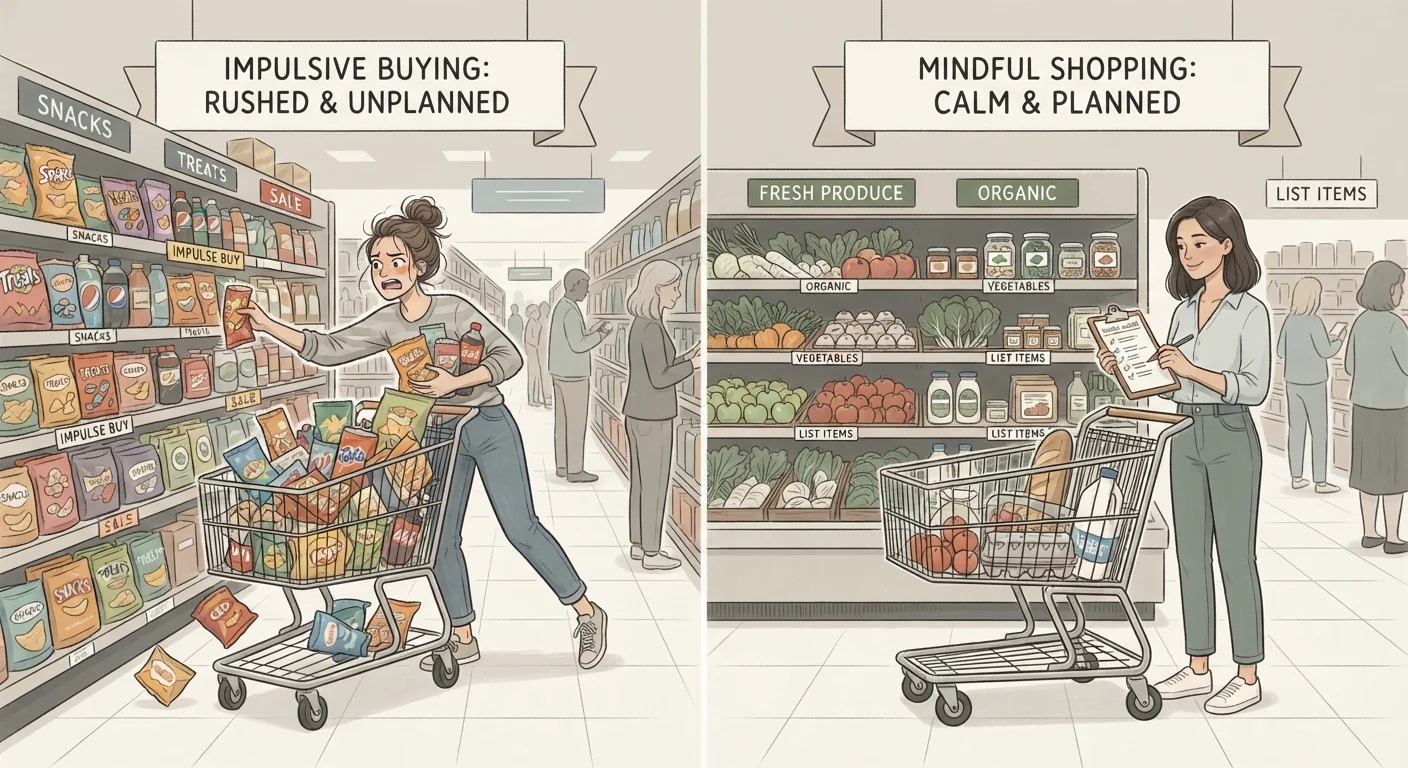

Why a Pre-Purchase Pause Pays Off
Most overspending isn't caused by a lack of willpower - it's caused by a lack of process. When you encounter something you want, your brain tends to build a case for buying it rather than against it. A short, structured checklist interrupts that pattern and shifts you from reactive to deliberate.
This checklist is built for any significant purchase: electronics, appliances, furniture, clothing above a certain budget threshold, services, or subscriptions. It takes 10-20 minutes to complete and is designed to surface the questions retailers hope you won't ask. For a deeper look at what separates snap decisions from considered ones, see our breakdown of impulse vs. considered purchasing.
Your Checkout Page Is Not a Decision Point
By the time you reach checkout, your brain has often already committed to the purchase - making it much harder to back out. Run through this checklist before you add an item to your cart, not after. The earlier you pause, the easier it is to change course without feeling like you're losing something.
The checklist below is organized into four stages: confirming your need, checking your budget, doing minimal but meaningful research, and understanding the terms. Work through each group before finalizing any purchase.
What You'll Need
You don't need specialized tools - just a few minutes of focused attention and access to the right information before you click.
Notepad or notes app
Jot down your answers to checklist questions so you can revisit your reasoning before clicking buy.
Spreadsheet or budgeting app
Verify that the total purchase cost - including extras - fits within your current spending plan.
Retailer's return policy page
Confirm refund windows, condition requirements, and return shipping rules before committing.
Independent review aggregator
Read verified user feedback across multiple sources to surface recurring complaints or quality issues.
If you're evaluating a used or refurbished item, our guide to buying second-hand safely covers additional checks worth adding to your process.
The Pre-Purchase Checklist
Work through each group in order. If an item raises a concern you can't resolve, that's a signal to wait - not a reason to override the question.
Need & Timing
Budget & Affordability
Research & Alternatives
Terms, Returns & Risk
Urgency Language Is a Red Flag
Countdown timers, "only 2 left," and "today only" messaging are designed to short-circuit careful thinking. These tactics frequently appear on items that are never actually scarce. If a deal disappears the moment you pause to think, that's worth noting - not a reason to rush.
Read Financing Terms Before You Agree
Deferred-interest and "buy now, pay later" offers can carry high costs if not paid off within a promotional window. Always calculate the full repayment amount and check whether missing a payment triggers retroactive interest. For more on evaluating borrowing decisions, see our pre-borrowing checklist.
For a complementary set of questions focused specifically on comparing two or more options side by side, our comparison checklist walks through cost, quality, support, and fit in structured form.
After the Checklist: What to Do With Your Answers
If you worked through the list and everything checks out - need confirmed, budget intact, research done, terms understood - you can proceed with confidence. That's the point: not to talk you out of spending, but to make sure the spending is intentional.
If one or more questions raised doubts, give yourself at least 24 hours before deciding. Research consistently shows that a brief waiting period dramatically reduces purchases people later regret. The 24-hour rule and similar pause tactics are among the most effective low-effort tools available to everyday shoppers.
For a broader look at every stage of the shopping journey - from early research through to handling problems after purchase - see The Full Picture on Avoiding Bad Purchases. And if your checklist raised questions specifically about a retailer or listing's legitimacy, our pre-purchase sanity check covers red flags in more detail.
This article is for general informational and educational purposes only and does not constitute financial or legal advice. For questions about your personal financial situation, consult a qualified financial professional.