
Why Pausing Works: The Science Behind the Wait
Impulse purchases rarely feel impulsive in the moment - they feel urgent, justified, even exciting. That emotional charge is exactly what makes them hard to resist. But research in consumer behavior consistently shows that the intensity of a buying urge fades quickly when you simply delay acting on it.
The 24-hour rule is built on this insight. By waiting a full day before completing a non-essential purchase, you give the initial emotional spike time to subside. What felt essential at 9 p.m. often looks optional - or unnecessary - by the next morning. This isn't about willpower; it's about using time as a filter.
Understanding why we overspend in the first place is a useful foundation here. Cognitive biases like present bias (overvaluing what we want right now) and anchoring (fixating on a sale price as a reference point) drive many unplanned purchases. A pause interrupts that automatic process and creates space for deliberate thinking.
“The best financial decisions are rarely made in the moment of peak desire. Building in a waiting period is one of the simplest ways to align your spending with your actual priorities.”
— Consumer Decision Researchers, Behavioral economics and consumer behavior field
Pause Tactics That Actually Work
The 24-hour rule is the most well-known pause strategy, but it's far from the only one. Different situations call for different tools:
Apply the 24-hour rule to any unplanned non-essential purchase
The emotional intensity behind an impulse buy peaks quickly and fades almost as fast. A 24-hour wait gives your rational thinking time to reassess whether the item genuinely fits your needs and budget. Most shoppers find the urge is significantly weaker - or gone entirely - the next day.
Use a "want list" instead of a cart to park potential purchases
Shopping carts are designed to funnel you toward checkout. A separate list - a note on your phone or a simple document - removes that checkout pressure while still letting you capture the item. It also creates a written record you can review with fresh eyes.
Set a spending threshold that triggers a mandatory pause
Not every purchase needs a 24-hour delay, but a personal dollar threshold helps you apply scrutiny where it matters most. This makes the rule automatic rather than a judgment call in the moment.
Ask three questions before completing any unplanned purchase
Structured self-questioning interrupts the emotional momentum of an impulse buy. Three simple prompts - Do I need this? Do I already own something similar? Where will this money come from? - activate the reflective thinking that impulse urges bypass.
Remove friction reducers from your accounts
Saved credit cards, one-click buying, and stored payment details make purchasing faster - but speed is the enemy of deliberate spending. Removing these features adds a small but meaningful pause to every transaction.
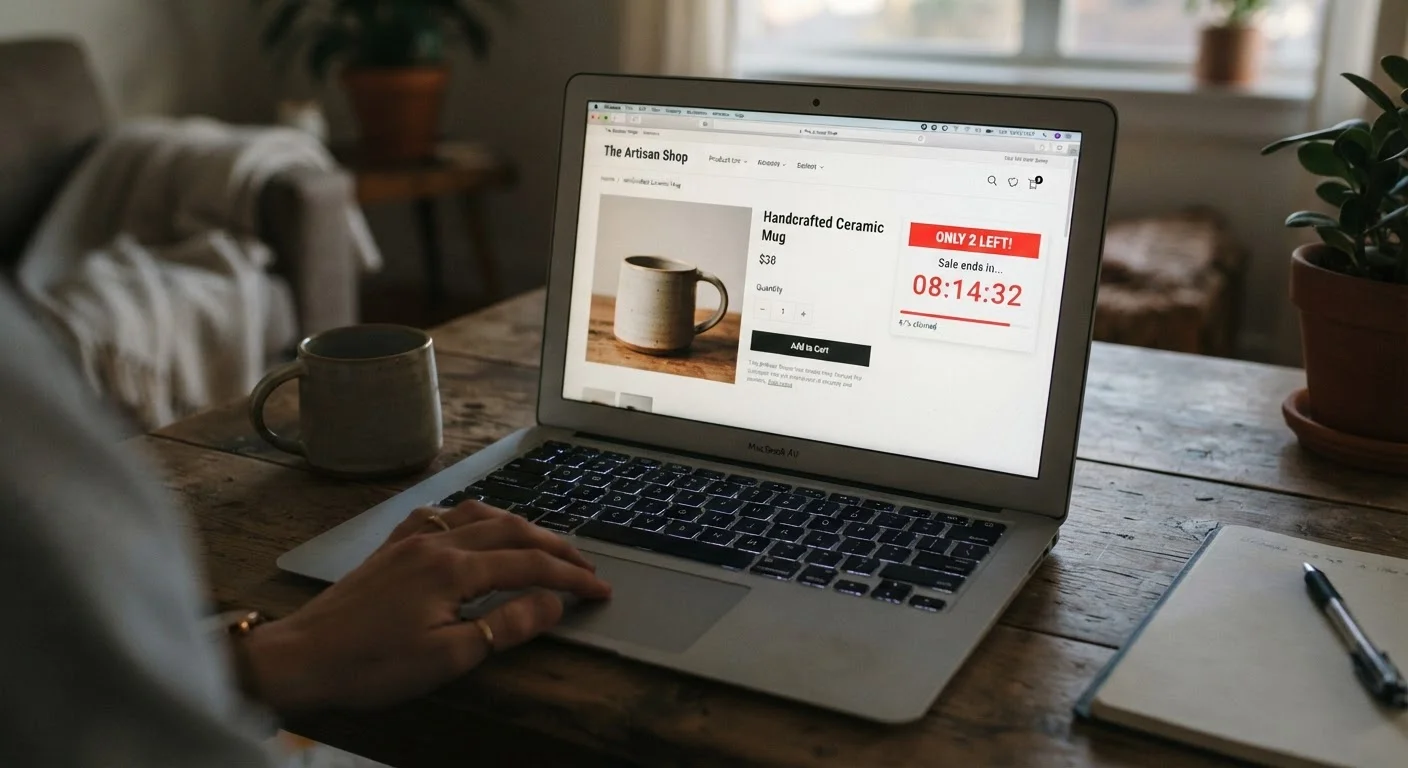
For purchases where retailer pressure is a factor - countdown timers, "only 3 left" alerts - it's worth understanding how artificial scarcity and urgency tactics work. These are engineered to shortcut your pause instinct, so naming them gives you back control.
Quick Wins to Start Today
You don't need a complete budget overhaul to start spending more intentionally. A few small friction points can make a meaningful difference immediately.
These small adjustments work because they make impulse buying slightly harder - and that extra moment of friction is often all it takes to reconsider. For a more complete framework, the pre-purchase checklist walks through a structured review you can run before any significant spend.
Putting Pause Tactics in Context
Pause tactics aren't about never buying anything - they're about ensuring your purchases reflect genuine needs and priorities rather than momentary impulse. There's an important distinction between a considered purchase and a snap decision, and it's worth knowing where your habits tend to fall. See what separates impulse buying from considered purchasing for a closer look at that line.
~20%
Of online purchases that get returned
Industry estimates consistently place e-commerce return rates between 15-30%, with impulse purchases cited as a leading driver of returns.
24 hrs
Typical window for a buying urge to peak and fade
Consumer behavior research suggests that the emotional intensity of an unplanned purchase desire drops substantially within 24 hours for most shoppers.
Used consistently, these tactics compound. Shoppers who build in deliberate pauses tend to feel more satisfied with what they do buy - and spend less time returning items or regretting decisions. For a broader look at protecting your spending across the entire shopping journey, see the full picture on avoiding bad purchases.
Make Your Pause Automatic, Not Effortful
The most effective pause tactics are the ones you don't have to think about in the moment. Set them up in advance - a spending threshold, a want list, a removed saved card - so the friction is already in place when temptation hits. Relying on willpower alone in a high-emotion moment is a much harder ask.
These strategies are part of the larger avoiding bad buys toolkit - practical habits that help you shop with confidence rather than regret.